High quality repair & maintenance
It is beautifully designed in a very smart way to bring the best user experience that you will love.
What is blue light?
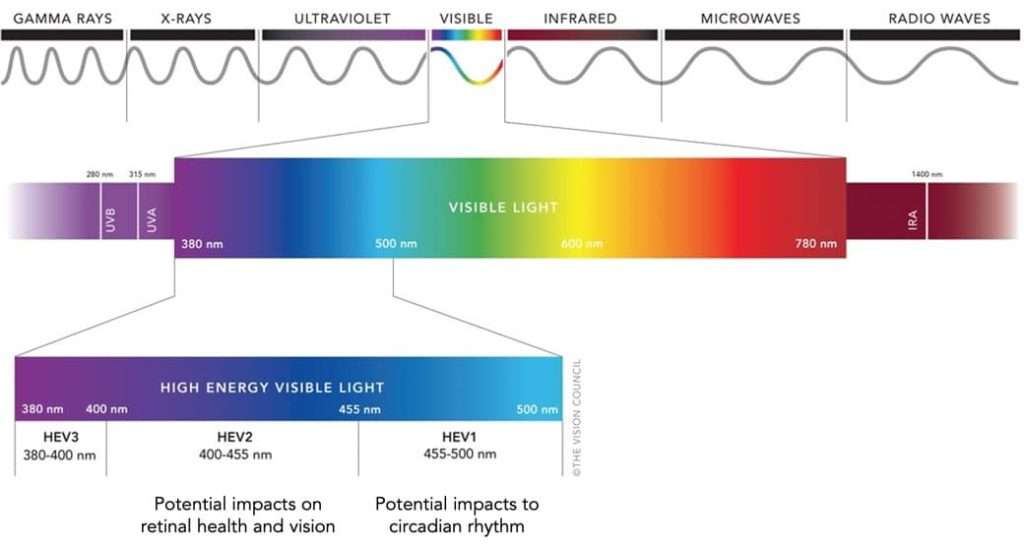
Blue light, also known as high-energy visible (HEV) light, is a color in the visible light spectrum that the human eye can perceive. These wavelengths of visible and invisible light are measured in nanometers (nm), and generally, the shorter the wavelength, the greater the energy. Blue light has a short wavelength, meaning it produces higher amounts of energy.
Unlike other forms of light, the eyes cannot effectively filter blue light, so a greater amount can pass through the eye and reach the retina. Blue light has both benefits and problems for our eyes and our overall health.
ARTIFICIAL VS NATURAL?
Artificial Blue Light
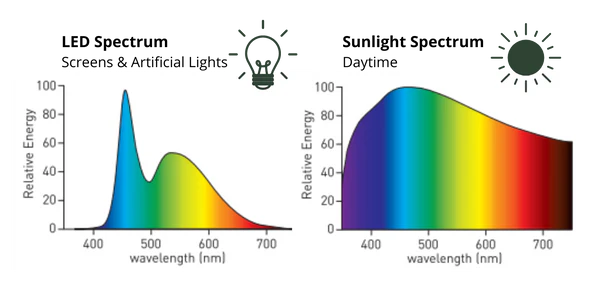
Blue light is the primary light spectrum emitted by screens and artificial lighting. Today, this means we are exposed to excessive amounts. The problem arises when considering the powerful effect blue light has on our sleep-wake cycles, also known as our circadian rhythm. The isolated spike in blue light (see the LED spectrum below) emitted by artificial lighting is foreign to our bodies and has been extensively researched and documented to have negative health effects.
Natural Blue Light
Blue light is present in nature during the morning and midday, when the sun rises. The blue light emitted by the sun is essential for regulating our circadian rhythms, but, as you can see, it is always balanced by other wavelengths of light (see the spectrum of sunlight below). The blue light emitted by screens and most artificial lighting lacks the ideal balance that nature provides. After sunset, we should have little to no exposure to blue light. However, in today's society, the opposite is true, as more and more people use devices and are exposed to artificial light in the evening.

High-energy blue light sources
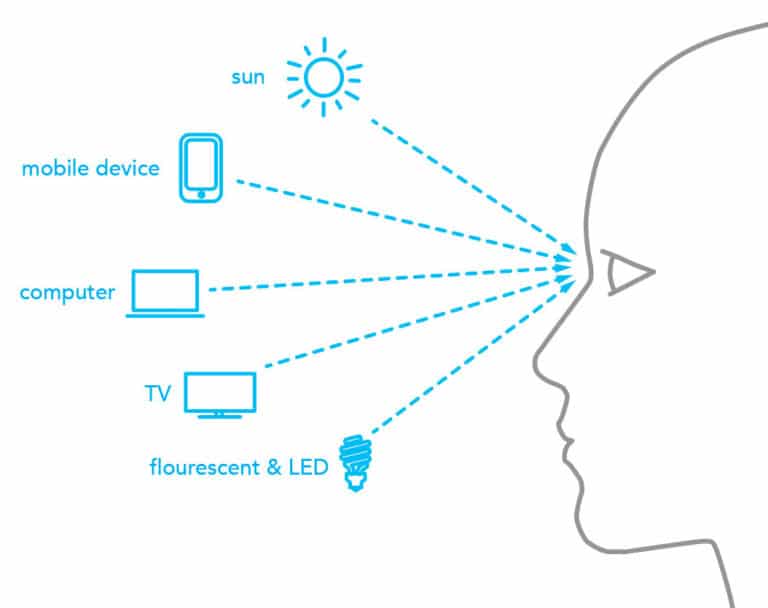
We are exposed to blue light almost constantly. The main source of blue light is sunlight, but it is also emitted by laptops and monitors, smartphones, tablets, televisions, compact fluorescent light bulbs, and compact fluorescent lamps.
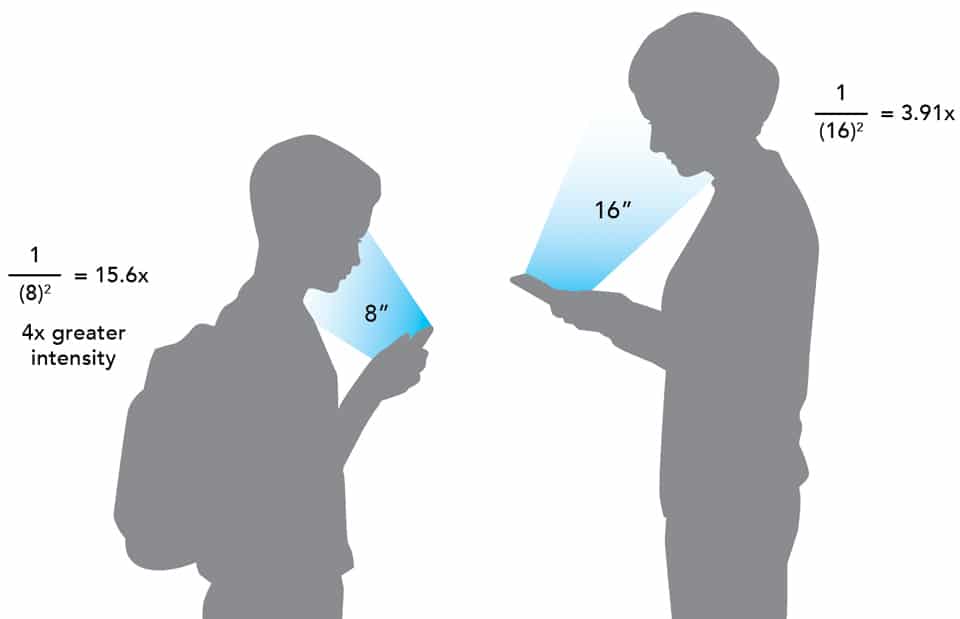
Our exposure to blue light from digital devices is a particular concern due to the proximity of the screens, the amount of time we use our devices, and the cumulative impact of using them every day.
What are the benefits of blue light?
- It promotes alertness.
- It enhances memory and cognitive function.
- It improves mood.
- It regulates the circadian rhythm.
What are the risks?
Screen time has been increasing for the past 20 years and now exceeds 13 hours per day. According to the Sight Council, many people experience eye strain and vision problems when using digital devices for extended periods.
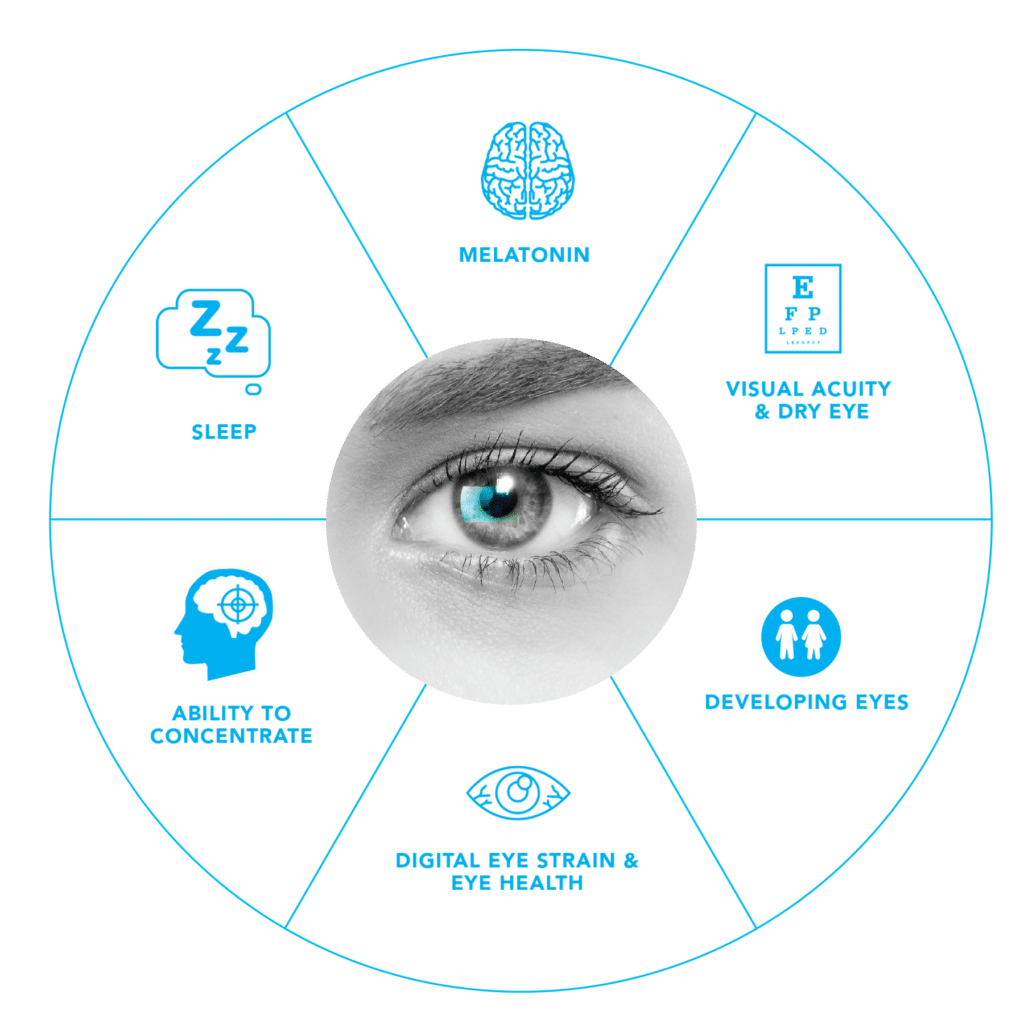
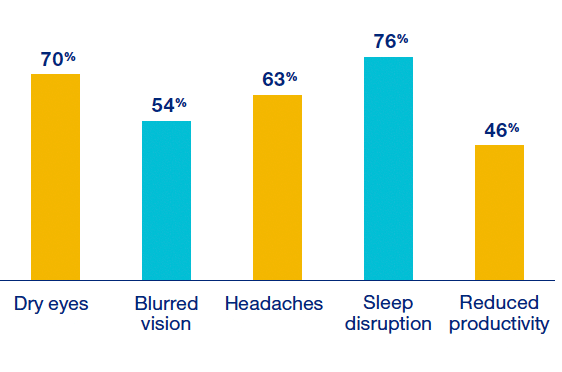
Up to 65% of Americans report experiencing symptoms of digital eye strain, which can include symptoms of:
- Eyestrain
- Blurred vision
- Dry and irritated eyes
- Headaches
- Impact on our circadian rhythms
- Sleeping problems
- Waking up during the night
- Alert status reduced the following day
Concerns about blue light
- Sleep disturbance (79%)
- Tired/sore eyes (77%)
- Dry eyes (70%)
- Headaches (56%)
- Reduced productivity (46%)
- Reduced concentration (43%)